MSC BATTLES CONTAINER CONGESTION CRISIS AT LAGOS ICDs AS EMPTY BOXES PILE UP
1 weeks ago
By Admin
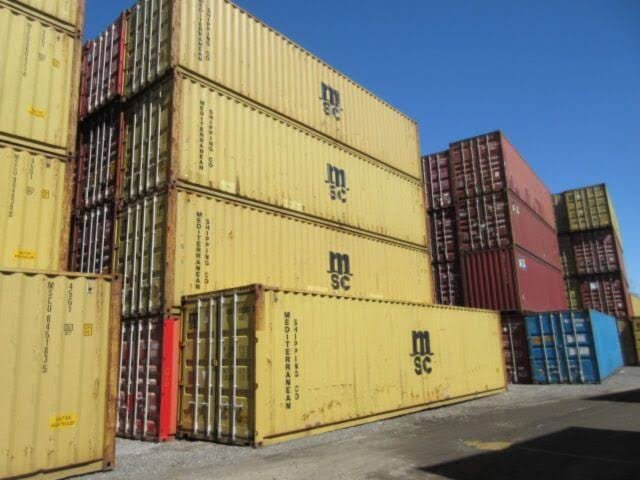
Mediterranean Shipping Company (MSC), the world’s largest container carrier, is facing mounting pressure in Lagos as a severe backlog of empty containers chokes inland container depots (ICDs) and port corridors, triggering regulatory scrutiny and operational chaos.
The Empty Container Logjam
The crisis stems from what freight forwarders describe as a growing imbalance in MSC’s vessel operations. MSC vessels discharge large volumes of import containers on arrival but evacuate significantly fewer boxes on departure, leading to a continuous build-up of empties within the port environment and satellite depots.
Major terminals—including TICT, Ports and Cargo Handling Services, and Five Star Logistics—have reportedly suspended acceptance of MSC empty containers due to severe space constraints. With designated holding bays like MEDLOG reportedly lacking functional space, haulage trucks are being turned into makeshift storage facilities, immobilised for days while waiting to offload.
Ripple Effects on Lagos ICDs and Logistics Costs
The congestion is spilling over into Lagos ICD operations and the wider supply chain:
· Haulage costs have surged by up to 450%, with intra-port container movement now costing as much as ₦500,000 and evacuation to inland destinations like Ikeja reaching ₦1.5 million.
· Demurrage and detention charges are compounding for importers who cannot return empties within free time—averaging ₦120,000 to ₦140,000 per day for a 40-foot box.
· Export cargo is stranded inside MSC containers, unable to be evacuated, further straining terminal efficiency.
Industry stakeholders estimate Nigeria loses roughly US$500 million annually to empty-container congestion and related inefficiencies.
Regulatory body Heat and MSC’s Defence
The Africa Association of Professional Freight Forwarders and Logistics of Nigeria (APFFLON) has formally urged the Federal Government to investigate and sanction MSC, demanding:
· Immediate provision of adequate holding bays and collection centres
· Suspension of demurrage/detention charges where return delays are caused by MSC’s own facility shortfalls
· Compensation for importers who have suffered avoidable losses
NAGAFF has gone further, accusing MSC of profiting from delays it creates and demanding refunds of detention fees already collected. MSC has previously maintained that it operates four holding bays and attributes part of the backlog to factors outside its control, though the company has not responded to fresh queries.
The Long Game: Snake Island Terminal
MSC’s long-term bet on Lagos remains strong. In March 2026, the carrier signed a 45-year concession agreement with Nigerdock to develop a new container terminal at Snake Island Port, a US$1 billion project expected to be completed by 2028. The terminal is designed to ease chronic congestion, modernise cargo evacuation, and position Lagos as a regional maritime hub—but until then, the empty-container crisis remains a stark operational and reputational battle for the shipping giant in West Africa’s busiest port complex.