FOREIGN SHIPS BLEEDING MILLIONS IN DEMMURAGE AT LAGOS PORT (Tincan and Apapa port)
1 weeks ago
By Admin
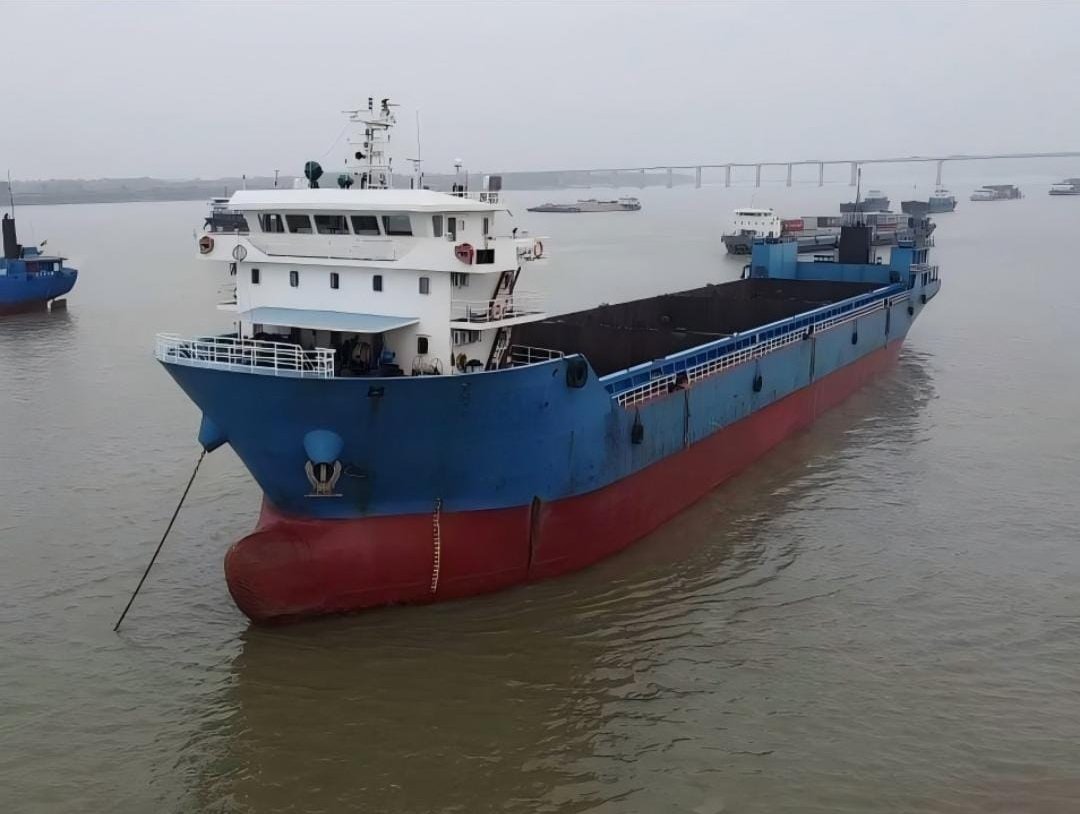
When a foreign vessel drops anchor off the coast of Lagos, the clock does not just start ticking on its voyage—it starts ticking on a financial meter that can run into hundreds of thousands of dollars before a single tonne of cargo is discharged. For shipowners, charterers, and cargo interests trading into West Africa’s largest port complex, anchorage demurrage has evolved from an occasional operational headache into a systemic, multi-million-dollar drain on margins.
The numbers tell a stark story. At one point in mid-2026, 18 vessels were waiting at the Lagos outer anchorage, carrying an estimated $1.22 million in modelled demurrage exposure*; within weeks, that queue had swelled to 39 ships and the exposure had climbed to *$3.38 million. The longest-waiting vessel had spent over 19 days at anchor. For a single Supramax or Handysize bulk carrier, the loss of earning capacity alone can exceed $250,000 before cargo operations even begin.
The Root Cause: It’s Not a Berth Shortage—It’s a Cargo Evacuation Crisis
Conventional wisdom points to a lack of berth space as the villain. But the data suggests a more nuanced and frustrating reality. According to maritime intelligence firm Coastalynk Technologies, the congestion at Lagos anchorage is “driven by slow cargo offtake onshore and not at berth”—ships are arriving faster than terminals and inland logistics systems can clear existing and incoming cargo. In other words, the vessel queue is a symptom of a landside bottleneck, not a quay-capacity problem.
This diagnosis is reinforced by the broader logistics picture. Average container dwell time in Lagos sits at 18–21 days, compared with 5–7 days in Ghana and just four days in Cotonou. Truck evacuation bottlenecks, customs clearance delays, and empty-container imbalances compound the problem, creating a vicious cycle where ships wait offshore while cargo that has already been discharged struggles to leave the port. The Nigerian Ports Authority has even begun diverting vessels to other terminals in an attempt to break the logjam, but the underlying evacuation deficit remains.
The True Cost: Beyond the Demurrage Invoice
Demurrage is the contractual liquidated damage that charterers pay when laytime is exceeded. But the headline demurrage figure captures only a fraction of the economic loss. The Time Charter Equivalent (TCE) burn—the daily earning capacity a vessel forfeits while idle at anchor—never makes it into the demurrage claim and is “simply absorbed quietly” by operators.
The Bottom Line
Lagos is not short of berths—it is short of throughput. Until cargo moves off the quay and out of the port as fast as ships arrive, foreign vessels will continue to queue at anchor, and demurrage will continue to climb. The $3.38 million exposure figure is a snapshot, not a ceiling. For operators, the real cost is the quiet, compounding loss of earning capacity that never appears on a demurrage invoice—and for Nigeria, it is a silent tax on trade competitiveness that no single agency can solve alone.