CLEARING GOODS IN COTONOU vs LAGOS : Why the Ease of Doing Business Is Worlds Apart
1 weeks ago
By Admin
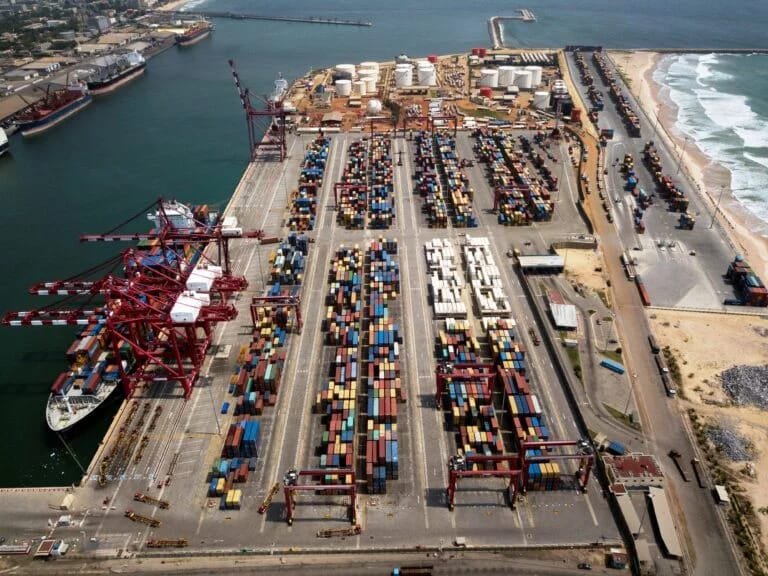
For any importer or freight forwarder operating in West Africa, the choice of port is more than just a logistical detail—it is a direct line to profitability or peril. While Lagos has long been the undeniable commercial giant of the region, a growing number of Nigerian importers are voting with their feet (and their cargo), diverting goods to the Port of Cotonou in Benin. The reason is simple: ease of clearance, cost, and predictability.
While Lagos grapples with some of the slowest port clearance times on the planet, Cotonou has quietly transformed itself into a benchmark for regional efficiency. Here is a breakdown of how the two ports compare on the metrics that matter most
Clearance Time: Days vs. Hours
The most dramatic difference between the two ports lies in how long it takes to get cargo from the vessel to the warehouse.
At the Port of Cotonou, the turnaround has become astonishingly fast. The Port Autonome de Cotonou (PAC) has achieved container wait times of just 36 to 48 hours. For standard customs clearance, the process typically takes 3 to 7 days for express shipments, with cargo dwell times averaging around 12 to 14 days in the broader system. This efficiency is the result of deliberate investment in digital workflows and streamlined cargo handling.
Lagos, by contrast, remains a study in patience. Cargo dwell times at Nigerian ports average between 18 and 21 days, with some sources noting minimum clearance times of 22 days to take delivery of a consignment. These delays are so severe that they are among the highest globally, far above the roughly four-day benchmark seen in more efficient systems.
The Cost Factor:
The cost advantage extends beyond customs duties. Berthing a vessel costs approximately $27,000 in Cotonou, compared to significantly higher charges in Nigerian ports, which have been described as over 1,200% higher than some regional competitors for certain fees. Cotonou also keeps auxiliary fees and delay penalties among the lowest in the region, making the total cost of doing business substantially lower.
Why Cotonou Works: The Power of the Single Window
The secret to Cotonou’s efficiency is not geography or luck—it is technology and political will. Benin implemented a mandatory Single Window system (GUCE) for all goods passing through the port. This platform brings all facilities and parties involved in cargo clearing together in one place, drastically reducing the time and effort required to obtain approvals from different layers at the port.
The results have been nothing short of remarkable. Before the Single Window, cargo dwell time in Benin was over 18 days. After its introduction, dwell time crashed to less than seven days, and government revenue simultaneously jumped by 33 percent. Technology eliminated human-to-human contact, reduced opportunities for discretion, and created a predictable process where compliant traders are rewarded with speed.
Lagos: The Reform Trap
Lagos is not standing still, but its reforms have been painfully slow and fragmented. Nigeria launched the first phase of its own National Single Window (NSW) in March 2026, aiming to streamline documentation and customs procedures. However, the rollout has been plagued by operational challenges, leading the Nigerian Shippers’ Council to urge waivers for importers affected by delays linked to the new system.
The physical infrastructure compounds the administrative dysfunction. Apapa and Tin Can Island ports were built decades ago and struggle to cope with rising cargo volumes, larger vessels, and chronic congestion on access roads. Over 8,000 overtime containers valued at $6 billion sit abandoned at Lagos terminals, a testament to a system that has failed to keep pace with demand.
The Verdict: Predictability Wins
For importers, the choice between Cotonou and Lagos is not about patriotism—it is about survival. Cotonou offers what Lagos currently cannot: predictability. A system where you know that in three to seven days, your cargo will be cleared, at a cost that is half of what you would pay in Lagos, is a system that keeps businesses afloat.
Lagos has the volume, the market, and the potential. But until the National Single Window moves from a phased launch to a fully functional, corruption-resistant system—and until the physical bottlenecks at Apapa and Tin Can are genuinely addressed—importers will continue to route their cargo through Cotonou. The Port of Cotonou has proven that with the right technology and political will, West African ports can compete on efficiency. The question for Lagos is not whether it can catch up, but whether it can afford not to.